

Best Chocolate for Chocolate Chip Cookies: How to Choose
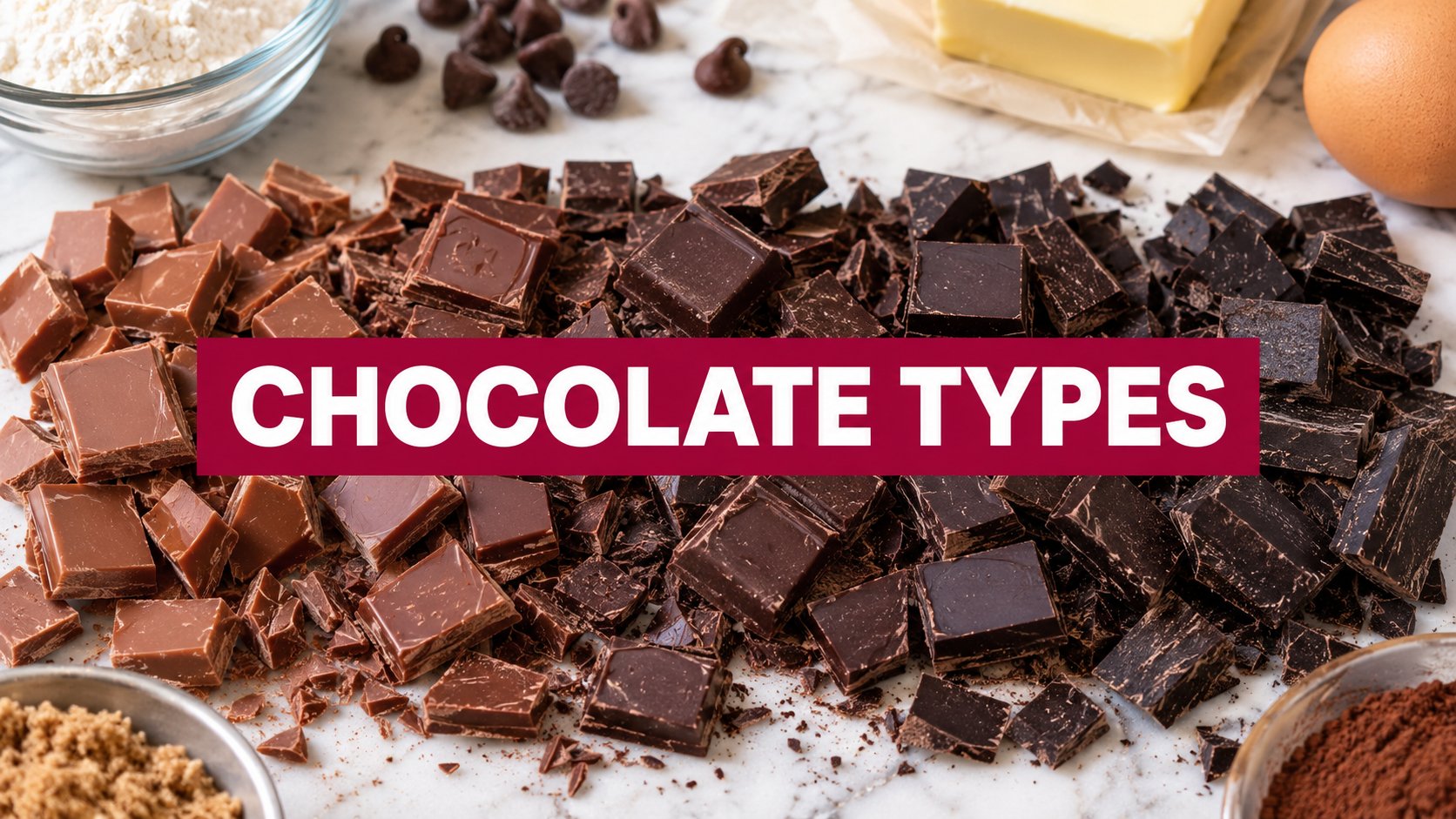
The best chocolate for chocolate chip cookies depends on the cookie you want. Chips give you defined bites; chopped bars make molten pockets. Cacao percentage affects sweetness and cocoa intensity, while origin adds flavor nuances.
Choose in this order: cookie goal, chocolate format, cacao percentage, then origin. Change one variable at a time so you can tell what improved the batch.
Quick Picks for Every Chocolate Chip Cookie Style
For a classic chewy cookie, start with semisweet chips or a chopped bar at 55 to 65 percent cacao. Weigh the chocolate rather than measuring by the cup.
In a survey of 846 people, Barry Callebaut's 2025 cookie trends research found chocolate flavors were the most popular cookie flavor choice among 75% of North American consumers.
| Cookie goal | Chocolate to choose | Result |
|---|---|---|
| Classic chewy cookie | Semisweet chips or a chopped bar at 55 to 65 percent cacao | Balanced sweetness and cocoa flavor |
| Evenly spaced pieces | Shape-holding baking chips | Defined chocolate bites |
| Molten pockets | Chopped bar at 60 to 70 percent cacao | Irregular, glossy pools |
| Rich cocoa flavor | Dark chocolate bar or a blend | More pronounced cocoa notes |
| Bright fruitiness | Single-origin bar, such as Madagascar | Fruity, tangy notes |
| Intense cocoa with little added sweetness | Small amounts of 100% chocolate | Strong cocoa; dough supplies the sweetness |
Our 70% Medallions bring deep chocolate flavor to a brown-sugar dough. For a cookie built around chopped chocolate, try our chocolate chunk cookie recipe.
What Chocolate Does Inside a Warm Cookie
Chocolate changes more than flavor. Its ingredients behave differently as the cookie bakes:
- Cocoa solids provide chocolate flavor. At high levels, they can make the bite intense but dry or chalky.
- Cocoa butter melts, creating fluid pockets and gloss.
- Sugar softens bitterness and adds sweetness to the dough around each piece.
Origin identifies where the cacao grew; single origin means it comes from one defined place rather than a blend. The cocoa origin can add character to the cookies. For example, Madagascar chocolate ads a fruity or tangy note to the cookies.
Chocolate pieces were part of the cookie from the start. Ruth Graves Wakefield's Toll House Chocolate Crunch Cookie appeared in print in 1938 with bits of a semi-sweet bar folded into brown-sugar dough, according to the New Yorker's history of the chocolate chip cookie.
If you want to sort out the dough before testing chocolate, this beginner-friendly chocolate cookie walkthrough covers mixing and scooping.
Cacao Percentage and Sweetness in the Dough
Cacao percentage is the combined weight of cocoa solids and cocoa butter. Most of the remainder is sugar. For a familiar chocolate chip cookie, 55 to 65 percent cacao offers cocoa flavor without overwhelming the butter and brown sugar.
Don't rely on semisweet or bittersweet alone. America's Test Kitchen's dark chocolate tasting found that those labels do not provide a consistent distinction; its baking comparisons favored chocolate near 60% cacao for balance.
| Cacao range | What to expect in a cookie |
|---|---|
| Under 50 percent | Sweeter, with milder cocoa flavor |
| 55 to 65 percent | Balanced cocoa and sweetness |
| Around 70 percent | Stronger cocoa, with the chocolate's character more noticeable |
| 100 percent | No added sugar; use sparingly or pair with a sweeter chocolate |
| Labeled semisweet or bittersweet | Check the actual percentage; labels vary by maker |
What the Percentage Doesn't Tell You
Two 70 percent bars can contain different proportions of cocoa butter and dry solids. One may melt into glossy pools while the other tastes firmer and more intense. Taste a piece before baking, then check how it behaves in the cookie.
For unsweetened chocolate, try chopped 100% chocolate or our 100% Medallions for Baking, Drinking & Tasting. Start with a small amount: the dough must provide the sweetness.
Record the percentage, chocolate weight and sweetness after cooling. Warm chocolate can make a cookie seem sweeter than it does later.
How Chip Format Changes Melt and Shape
Chips make defined, evenly distributed pieces. Chopped bars, wafers and baking chocolate create more fluid pockets, as this comparison of chips and bars in cookies explains.
| Format | Baked result | Best for |
|---|---|---|
| Baking chips | Pieces keep their shape | Even distribution and clean bites |
| Chopped bar | Irregular shards and glossy pools | Molten pockets |
| Medallions | Soft, shallow pools | Easy portioning and melt |
| Large chunks | Concentrated chocolate pockets | Dramatic, uneven bites |
| Finely chopped bar | Flecks that partly melt into dough | Chocolate throughout |
Small pieces spread flavor across the cookie; large ones concentrate it. A finely chopped bar can nearly disappear into the dough.
To compare formats fairly, use the same weight of chocolate in the same dough. A cup of chips and a cup of chopped chocolate need not weigh the same.
How Origin Shows Up in Cookies
Once format and percentage are set, origin can refine the flavor. Growing conditions, fermentation and drying influence the bean. Fermentation happens after harvest, when microbes break down the fruit pulp around the beans and help create flavor precursors.
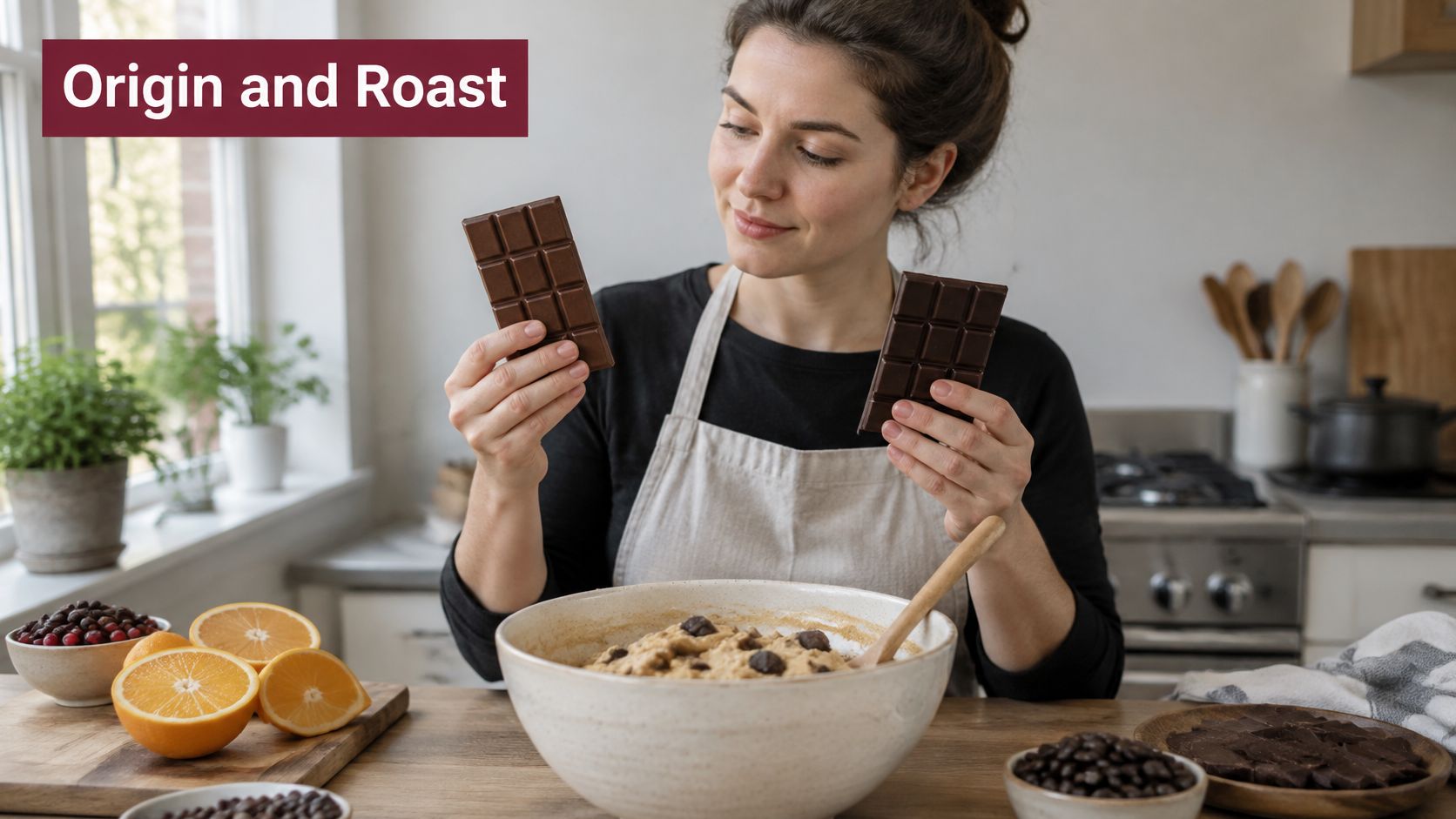
Fresco works with cacao from Madagascar, Venezuela, Ghana, Guatemala, Nicaragua, Columbia and others. Its labels identify origin and recipe, making comparisons easier. in addition to origin, cocoa roast level (light, medium or dark) will affect the flavor of the chocolate and the cookies. Our guide to cocoa bean roasting explains this in more detail.
Compare Origins in the Same Dough
Madagascar 74% brings fruity notes and a bright, tangy contrast to plain brown-sugar dough. The Guatemala Polochic Valley 70% Light Roast Chocolate - Recipe 250 offers another origin to compare. Bake it alongside the Madagascar bar in the same dough to see which flavor you prefer.
For a different comparison, try Nicaragua O'Payo 100%, Recipe 273, or Ghana 70%, Recipe 266, a Gold winner at the Academy of Chocolate Awards 2025. Since O'Payo 100% has no added sugar, use smaller pieces or blend it with sweeter chocolate. Venezuela CHUAO 72% offers another origin to test in the same dough.
Keep the dough simple when testing origin. Nuts, spices and heavy vanilla can obscure the differences you're trying to taste.
Check the Label, Then Taste Before You Bake
Use this short checklist before buying:
- Cacao percentage: Compare the number, not just the dark, semisweet or bittersweet label.
- Ingredients: Check for added fats, emulsifiers and flavorings, and decide whether their effect on shape or texture suits your cookie. Our dark bars use cocoa beans, cane sugar and cocoa butter; our 100% chocolate contains cocoa without added sugar.
- Origin: A named origin gives you another flavor variable to compare.
- Allergens: Read the statement on the specific product if allergens are a concern. Fresco bars are free from nuts, dairy, gluten and soy, and vegan friendly.
How to Run a Fair Chip and Bar Bake-Off
A side-by-side bake tells you more than a label. Keep the dough and chocolate weight constant and change just one chocolate variable.
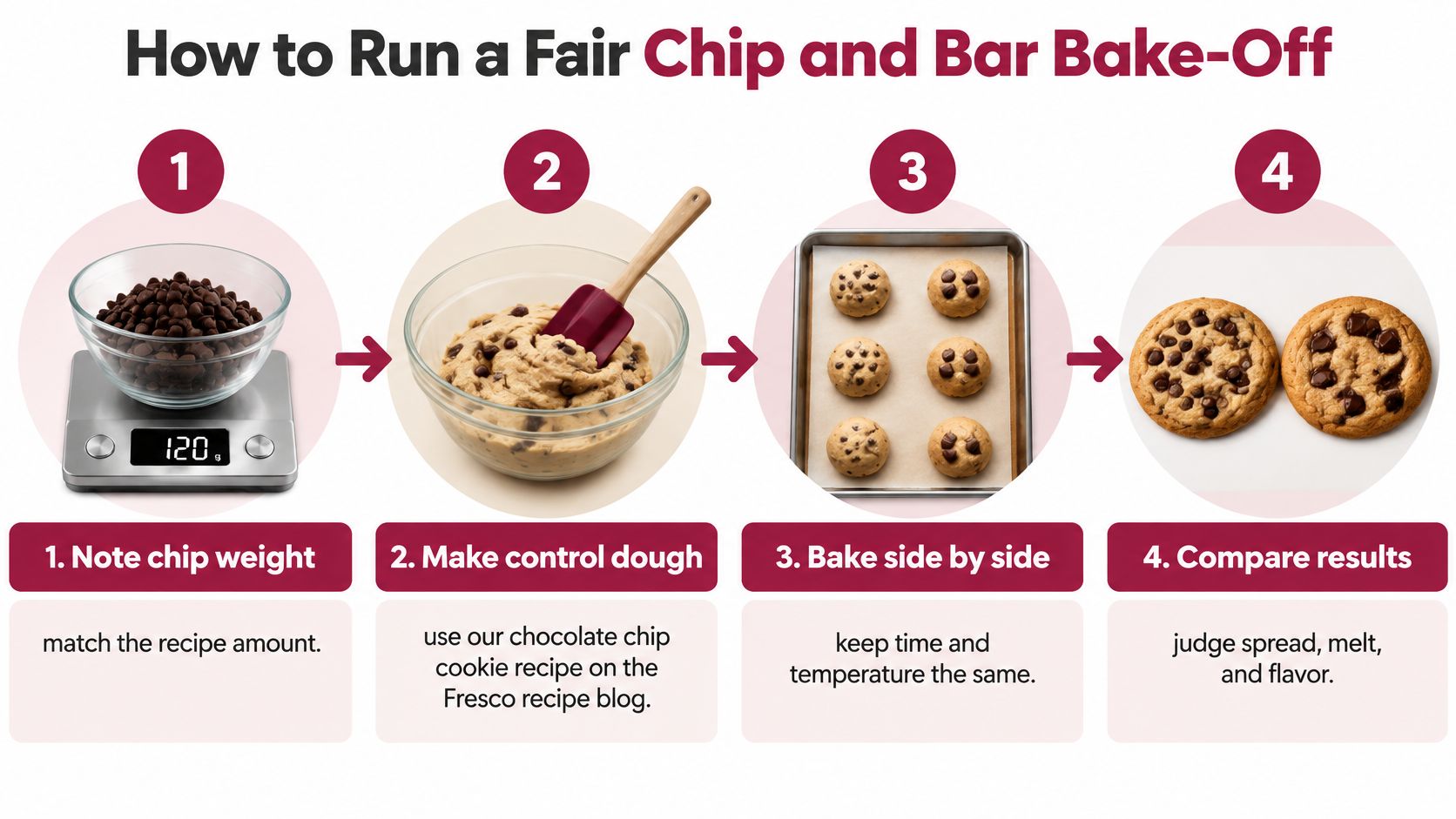
- Weigh the chocolate. Use the recipe's chip weight for each batch.
- Make one dough. Divide it evenly before adding chocolate.
- Match piece size if you're testing chips against a bar. Otherwise, piece size becomes another variable.
- Bake side by side with the same scoop size, temperature and rack position.
- Taste after cooling slightly. Compare sweetness, spread, melt and bitterness.
- Write down the result. Note what you preferred and change only one thing next time.
For candidates, try your usual chips, a bar around 55 to 65 percent and one darker bar. A baking science reference on chocolate puts a workable dark-chocolate baking range at roughly 35 to 64 percent, noting that higher-percentage chocolate may taste more acidic and intense in a sweet bake. Your test will show where your dough's sweetness stops balancing the darker chocolate.
Bottom line: Choose chips for defined pieces and a chopped bar for molten pockets. Start near 55 to 65 percent cacao, then test darker bars or distinct origins if you want more pronounced flavor. To compare with your usual chips, choose a bar or Medallions from Fresco Chocolate and bake both at the same weight.